PEACE is not built on weapons and destruction, Pope Leo XIV has said calling on world leaders to assume their moral duty “to stop the spiral of violence before it becomes an irreparable abyss”.
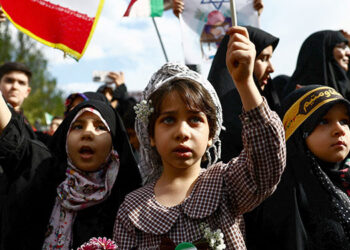
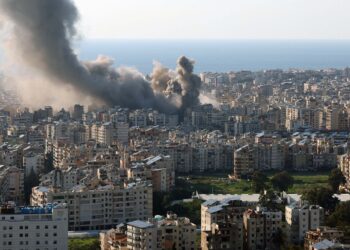
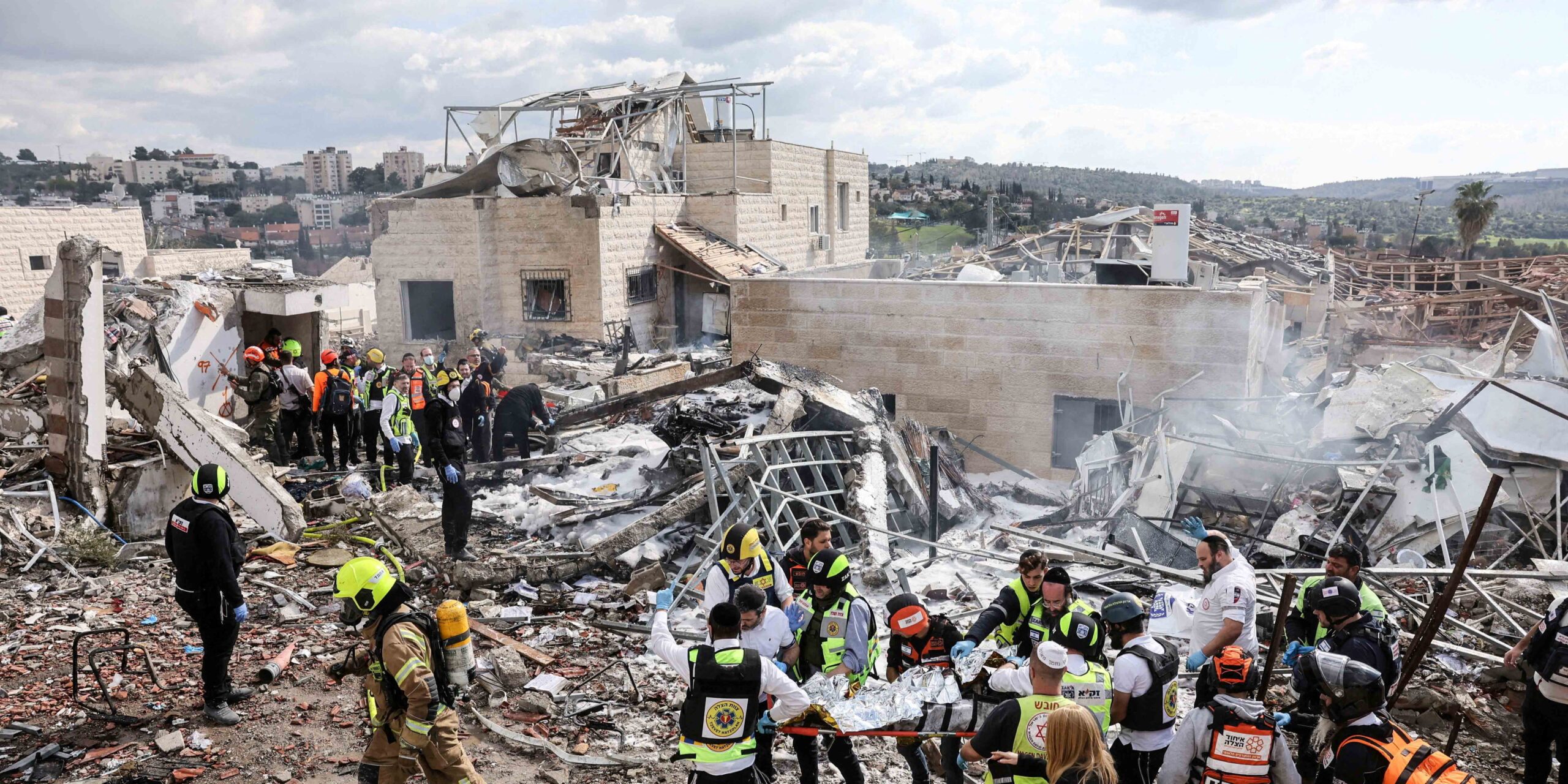
More than 200 people are believed to have been killed, including at least 100 at a school, as US and Israeli strikes hit multiple sites across Iran over the weekend.
In response, Iran fired ballistic missiles and drones into Israel and at US bases in several neighbouring nations, including the UAE, Qatar, Bahrain and Kuwait.
Pope Leo raised his concerns about the conflict unfolding in the Middle East after praying the Angelus in St Peter’s Square on March 1.
“Stability and peace are not achieved through mutual threats, nor through the use of weapons, which sow destruction, suffering, and death, but only through reasonable, sincere, and responsible dialogue,” he said.
He prayed for peace and made an appeal to all the parties involved to assume the moral responsibility of halting the spiral of violence.
“May diplomacy regain its proper role and may the wellbeing of peoples who yearn for peaceful existence founded on justice be upheld. And let us continue to pray for peace,” he said.

Pope Leo urged for a return to dialogue as the clashes between Pakistan and Afghanistan took hold.
“Let us pray together that harmony may prevail in all conflicts throughout the world. Only peace, a gift of God, can heal the wounds between peoples,” he said.
Bishop Aldo Berardi, Apostolic Vicar of Northern Arabia, reiterated that peace must be restored.
“We must pray that … we are not swept up in this spiral. If each side enters the battle because it feels attacked, there is a risk that the entire region will explode,” he told Vatican News.
Death and damage
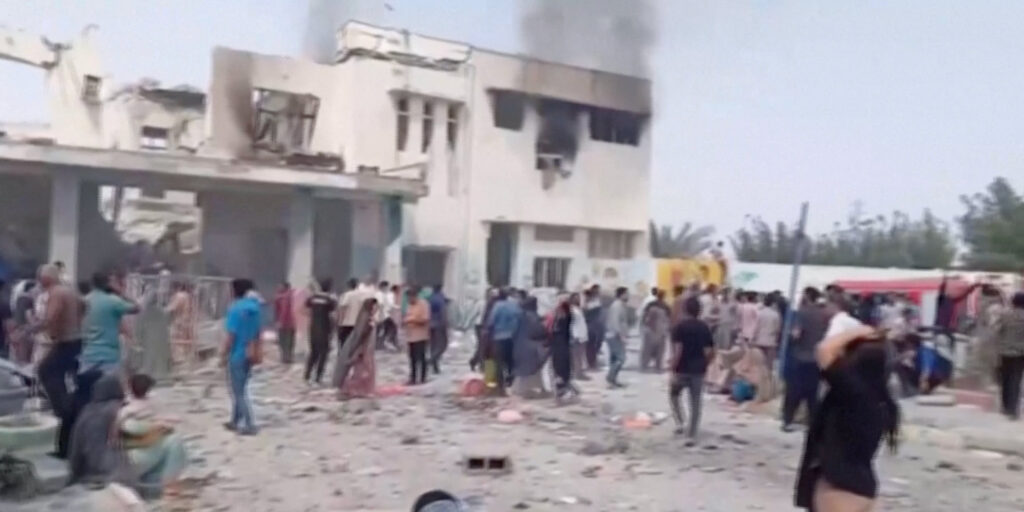
Iran’s ambassador to the United Nations said hundreds of civilians had been killed and labelled the attack “a war crime against humanity”.
“The aggressors have also targeted a school in the city of Minab … killing more than 100 children,” Amir-Saeid Iravani told an emergency meeting of the UN Security Council.
A primary school in southern Iran was hit, resulting in the deaths of more than 100 individuals, including numerous students, UNESCO said in a statement.
“The killing of pupils in a place dedicated to learning constitutes a grave violation of the protection afforded to schools under international humanitarian law.”
Iran’s Supreme Leader since 1989, Ayatollah Ali Khamenei, 86, was among several leaders of the regime who were killed in the strike on Tehran during Operation Epic Fury.
Travel bans in place as Australia backs US-Israeli attack
“His passing will not be mourned,” Australian Prime Minister Anthony Albanese said, supporting the United States acting to prevent Iran from obtaining a nuclear weapon and to prevent Iran from continuing to threaten international peace and security.
“But we stand with the Iranian people in standing up for their human rights. They have suffered brutal repression. Women in particular being singled out by the regime,” he said.
Mr Albanese drew on Islamic Revolutionary Guard Corps (IRGC) attacks in Australia in 2024, including the firebombing of the Adass synagogue in Melbourne, which “aimed at creating fear amongst Jewish Australians, but also aimed at dividing our nation”.
Australia expelled Iran’s ambassador Ahmad Sadeghi in 2025 over the attacks and inflammatory social media posts.
Australians have been advised not to travel to Iran since 2020 and to leave if it is safe to do so.
“Our ability to provide consular assistance in Iran is extremely limited. We have upgraded travel advice for Israel, Lebanon, Bahrain, Kuwait, Qatar, and the United Arab Emirates to Do Not Travel,” he said.